BSL Power---POWER PRODUCTS SUPPLIER

Lead-Acid Battery Charging Guide: Flooded, AGM, and GEL Batteries Explained
For flooded, AGM and GEL
11/26/20254 min read
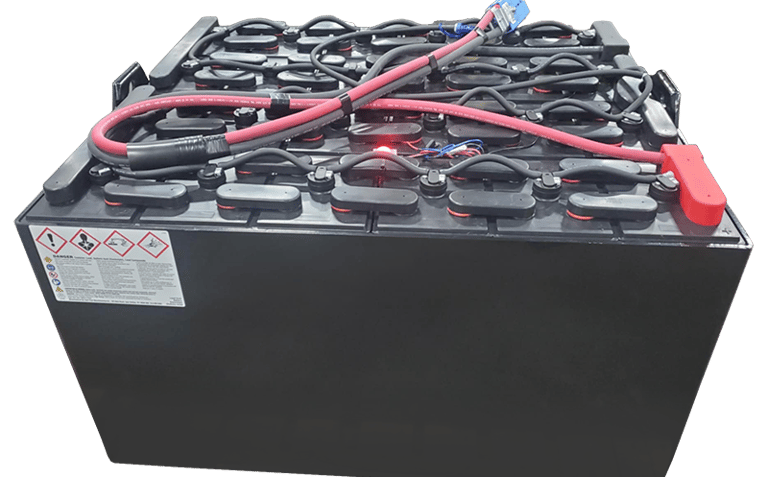
Lead-acid batteries are workhorses in countless applications—from automotive starters and marine systems to off-grid solar setups and backup power supplies. Yet, one of the most common mistakes that shortens their lifespan is improper charging. Not all lead-acid batteries are created equal: Flooded (wet-cell) batteries, AGM (Absorbent Glass Mat) batteries, and GEL batteries each have unique chemical structures, which demand tailored charging protocols. In this guide, we’ll break down the key characteristics, critical voltage points, and step-by-step charging methods for each type to help you maximize battery performance and longevity.
1. Flooded Lead-Acid Batteries (Wet-Cell Batteries): The Traditional Workhorse
Flooded batteries are the oldest and most widely recognized type of lead-acid battery. They feature liquid electrolyte (a mixture of sulfuric acid and water) that covers the lead plates, with removable caps for adding distilled water—hence their nickname “water batteries.” Their design is simple, cost-effective, and robust, but they require regular maintenance and proper ventilation during charging.
Key Characteristics
Contains liquid electrolyte; requires periodic topping up with distilled water to replace evaporation loss.
Generates hydrogen and oxygen gas during charging (especially at high voltages), so ventilation is non-negotiable to avoid gas buildup.
Tolerates moderate overcharging (in short bursts) but is prone to electrolyte loss and plate sulfation if neglected.
Common applications: Automotive starting batteries, forklifts, large backup power systems, and budget-friendly solar setups.
Critical Charging Voltage Points
Step-by-Step Charging Method
Pre-Charge Check: Inspect the battery case for cracks, ensure the electrolyte level is above the plates (add distilled water if needed), and clean the terminals to remove corrosion.
Ventilate the Area: Charge in an open, well-aired space (never indoors or in a sealed closet) to disperse explosive gases.
Set Charger to Flooded Mode: Use a charger with a dedicated “flooded” setting (avoid AGM/GEL modes, which undercharge). Set the voltage to 14.4-14.7V for bulk charging.
Monitor and Switch to Absorption: When the battery reaches 80% capacity (indicated by reduced current), lower the voltage to 14.2-14.4V and continue until current drops to 1-2% of the battery’s Ah rating.
Float Charge for Storage: For long-term use (e.g., solar systems), switch to 13.2-13.8V. For occasional use, disconnect the charger after full charge and recharge every 3 months.
Perform Equalization: Once a month (for heavy use) or quarterly (for light use), apply 15.0-15.5V for 1-2 hours. Stop if the electrolyte boils vigorously.
2. AGM Batteries: Maintenance-Free Power for Demanding Uses
AGM (Absorbent Glass Mat) batteries revolutionized lead-acid technology by sandwiching the electrolyte in fiberglass mats between the lead plates. This design eliminates free liquid, making them spill-proof, maintenance-free, and capable of handling high discharge rates—ideal for applications like RVs, boats, and emergency lighting.
Key Characteristics
Electrolyte is absorbed in glass mats (no free liquid); 100% sealed and spill-proof (safe for indoor use).
Low internal resistance allows fast charging and high current output (great for starting engines or powering electronics).
Sensitive to overcharging: Excessive voltage breaks down the mat and dries out the electrolyte, causing permanent damage.
No water addition needed; requires a charger with AGM-specific settings to avoid undercharging or overcharging.
Critical Charging Voltage Points
Step-by-Step Charging Method
Pre-Charge Check: Inspect the case for swelling (a sign of overcharging damage) and clean terminals.
Choose the Right Charger: Use a charger labeled “AGM-compatible” or with an AGM setting. Avoid standard flooded battery chargers—they undercharge AGMs.
Initiate Bulk Charge: Set the charger to 14.7-14.9V. AGMs can accept high current (up to 30% of their Ah rating) for fast charging.
Switch to Absorption: When the battery’s voltage stabilizes at 14.7V and current drops to 5-10% of Ah rating, lower the voltage to 14.0-14.2V. Hold this until current is less than 1% of Ah rating (battery is full).
Float Charge (If Needed): For continuous use (e.g., RVs), keep the charger at 13.5-14.0V. For storage, charge to full, disconnect the charger, and recharge every 2 months to prevent sulfation.
Avoid Overcharging: Never leave an AGM on a charger with a voltage exceeding 14.9V for extended periods—this causes permanent dry-out.
3.GEL Batteries: Slow-Discharge Reliability for Off-Grid Systems
GEL batteries (or gel-cell batteries) take sealing a step further by suspending the electrolyte in a silica gel matrix. This makes them extremely durable, resistant to vibration, and ideal for deep-cycle applications where slow, consistent discharge is required—such as off-grid solar, remote communication towers, and wheelchair batteries.
Key Characteristics
Electrolyte is a gel (no liquid); fully sealed, vibration-resistant, and suitable for extreme temperatures (-4°F to 122°F).
Designed for deep cycling (can be discharged to 80% capacity repeatedly without damage); has a longer lifespan than AGMs in deep-cycle use.
Extremely sensitive to high voltages: Overcharging breaks down the gel, creating gas pockets that reduce capacity permanently.
Slower charging and discharging rates than AGMs; requires the lowest voltage settings of all lead-acid batteries.
Critical Charging Voltage Points
Step-by-Step Charging Method
Pre-Charge Check: Look for case swelling or cracks (signs of overcharging) and ensure terminals are clean and tight.
Use a GEL-Specific Charger: This is non-negotiable. Chargers for flooded or AGM batteries deliver too much voltage. Choose a charger with a “GEL” setting.
Bulk Charge Carefully: Set the charger to 14.2-14.4V. Limit charging current to 20% of the battery’s Ah rating (GELs charge slower than AGMs).
Absorption Stage: When the battery’s voltage reaches 14.4V and current drops to 5% of Ah rating, reduce voltage to 13.8-14.0V. Continue until current is less than 1% of Ah rating.
Float Charge for Longevity: For off-grid systems, maintain 13.2-13.5V. For storage, charge to full, disconnect, and recharge every 3-6 months (thanks to low self-discharge).
Never Overcharge: Even short exposure to voltages above 14.4V can damage the gel. Avoid cheap, unregulated chargers at all costs.
Final Takeaway: Match the Charger to the Battery
The golden rule of lead-acid battery charging is: Never use a one-size-fits-all charger. Flooded batteries thrive on slightly higher voltages and occasional equalization; AGMs need fast, controlled charging with AGM-specific settings; and GEL batteries demand the lowest voltages and strict avoidance of overcharging.
By understanding your battery’s characteristics and sticking to its recommended voltage points, you can extend its lifespan by 2-3 times—saving money and reducing waste. Always consult your battery manufacturer’s specs for precise voltage guidelines, and invest in a quality, multi-mode charger that supports all three types if you work with multiple batteries.