BSL Power---POWER PRODUCTS SUPPLIER

Lithium-Ion Battery Discharge Rules: How to Maximize Performance, Safety, and Lifespan
Battery Use
11/26/20255 min read
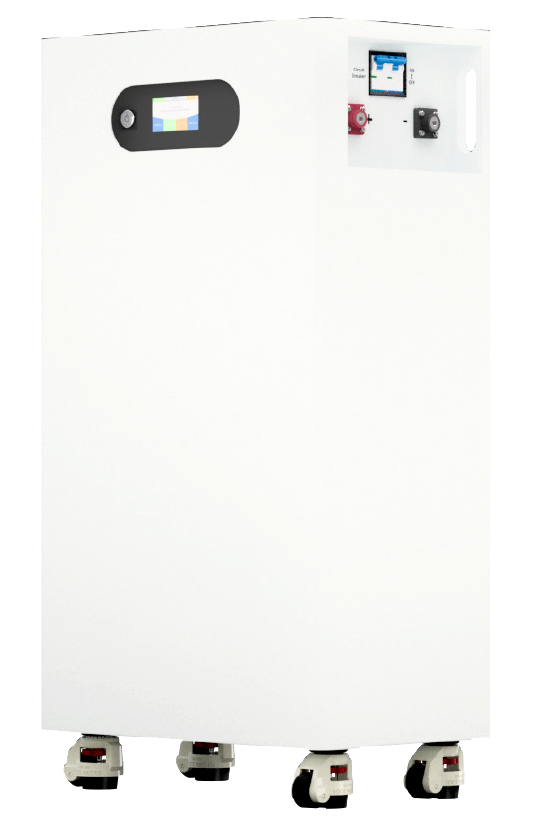
Lithium-ion (Li-ion) batteries power our daily lives—from smartphones and laptops to electric vehicles (EVs) and grid-scale energy storage. But their performance, safety, and longevity hinge on one critical factor: following proper discharge rules. Unlike traditional batteries, Li-ion cells are sensitive to over-discharging, extreme currents, and temperature fluctuations. Ignore these guidelines, and you risk reduced capacity, shortened lifespan, or even safety hazards like thermal runaway.
In this blog, we’ll break down the essential discharge rules for Li-ion batteries, explain the "why" behind each guideline, and share practical tips for different use cases (consumer electronics, EVs, 储能 systems). Let’s dive in!
1. Understand the "C-Rate": Don’t Exceed Maximum Discharge Current
The most fundamental rule for Li-ion discharge is respecting the C-rate—a measure of discharge current relative to the battery’s rated capacity.
What is C-Rate?
The C-rate defines how fast a battery discharges its energy. For example:
1C = Discharging the battery’s full rated capacity in 1 hour (e.g., a 2000mAh battery discharged at 2000mA = 1C).
0.5C = Discharging over 2 hours (1000mA for 2000mAh).
5C = Fast discharge in 12 minutes (10,000mA for 2000mAh).
Rule: Never Exceed the Battery’s Maximum Discharge C-Rate
Every Li-ion battery has a manufacturer-specified maximum continuous discharge C-rate (e.g., 2C, 5C, 10C for high-performance cells). Exceeding this limit causes:
Excessive heat generation (due to internal resistance).
Irreversible damage to the battery’s electrolyte and separator.
Permanent capacity loss (your battery will hold less charge over time).
Increased risk of thermal runaway (rare but catastrophic for high-current misuse).
Practical Tip:
Consumer electronics (phones, laptops): Typically discharge at 0.2C–1C (safe and efficient).
EVs: Use 1C–3C for daily driving; avoid frequent "boost" or high-speed acceleration (which pushes discharge to 5C+).
Energy storage systems: Opt for 0.1C–0.5C discharge for long-term reliability (critical for grid backup).
2. Avoid Over-Discharging: Stop Before Reaching the Cutoff Voltage
Li-ion batteries have a strict minimum safe discharge voltage (usually 3.0V per cell for most chemistries like LiCoO₂, LiFePO₄). Discharging below this "cutoff voltage" is called over-discharging—and it’s one of the biggest killers of Li-ion batteries.
Why Over-Discharging Is Dangerous:
Breaks down the Solid Electrolyte Interface (SEI) layer—a protective film on the anode that stabilizes the battery.
Causes irreversible lithium plating (lithium metal deposits on the anode), which can short-circuit the cell.
Results in permanent capacity loss (you’ll notice your battery dies faster than before).
May render the battery unchargeable (some BMS—Battery Management Systems—lock the battery to prevent further damage).
Rule: Stop Discharging When the Battery Reaches 3.0V–3.2V Per Cell
Most devices (phones, laptops) have built-in BMS that automatically shut down at ~3.0V/cell—never force discharge beyond this (e.g., by modifying settings or bypassing the BMS).
For battery packs (EVs, storage systems), ensure the BMS monitors individual cell voltages. Even a single underperforming cell can pull the entire pack into over-discharge.
3. Discharge Within the Optimal Temperature Range
Temperature is a silent killer for Li-ion batteries—especially during discharge. Both extreme cold and heat degrade performance and lifespan.
Optimal Discharge Temperature: 20°C–25°C (68°F–77°F)
Cold temperatures (-20°C to 0°C):
Internal resistance spikes, reducing discharge capacity (your phone dies faster in winter).
Lithium plating risk increases (lithium ions move slower in cold electrolytes).
Avoid discharging Li-ion batteries below -20°C (some high-temperature chemistries like LiFePO₄ can handle -10°C, but performance still drops).
Hot temperatures (45°C+):
Accelerates electrolyte decomposition and SEI layer thickening.
Shortens cycle life (each discharge at 60°C can reduce lifespan by 50% compared to 25°C).
Increases thermal runaway risk (especially for high-energy-density cells like those in EVs).
Rule: Keep Batteries Cool During Discharge
Avoid using devices while charging (doubles heat generation).
For EVs: Park in shade on hot days; avoid high-speed driving in extreme heat.
For storage systems: Install in well-ventilated areas (never in enclosed spaces without cooling).
4. Balance Discharge Rates and Capacity: Faster Discharge = Less Usable Energy
A key tradeoff for Li-ion batteries: the faster you discharge, the less total energy you can extract. This is called the "Peukert effect"—a phenomenon where high discharge rates reduce the battery’s effective capacity.
Example:
A 100Ah Li-ion battery discharged at 0.5C (50A) may deliver 95Ah of usable energy. But discharged at 5C (500A), it may only deliver 70Ah—losing 30% of its rated capacity.
Rule: Match Discharge Rate to Your Needs
For long-duration use (e.g., overnight grid storage), use low discharge rates (0.1C–0.5C) to maximize energy output.
For short bursts (e.g., EV acceleration), high discharge rates are acceptable—but avoid prolonged high-current use.
5. For Battery Packs: Ensure Cell Balancing During Discharge
Li-ion packs (e.g., EV batteries, 12V laptop packs) consist of multiple cells in series. Over time, cells degrade at different rates, leading to SOC (State of Charge) imbalance. During discharge, an unbalanced pack can cause some cells to over-discharge while others still have charge—damaging the weakest cells.
Rule: Use a BMS with Active Balancing
Active BMS systems redistribute charge between cells during discharge (and charging) to keep SOC levels consistent.
For DIY projects (e.g., building a solar storage pack), never skip a BMS—unbalanced packs are a safety risk and reduce pack lifespan.
Periodically test cell voltages (every 3–6 months) to identify weak cells that need replacement.
6. Don’t Fully Discharge Li-Ion Batteries for Storage
Unlike nickel-cadmium (NiCd) batteries (which required full discharge to avoid "memory effect"), Li-ion batteries have no memory effect. Fully discharging them before long-term storage is harmful.
Rule: Store Li-Ion Batteries at 40%–60% SOC
A partial charge (40%–60%) minimizes self-discharge (Li-ion batteries lose ~2%–3% charge per month) and reduces the risk of over-discharge during storage.
If storing for more than 6 months, recharge to 50% every 3 months to maintain cell health.
Common Discharge Myths Debunked
Let’s clear up some misconceptions that lead to battery damage:
❌ Myth: "Fully discharging Li-ion batteries ‘activates’ them." → False. Li-ion batteries are ready to use out of the box—full discharge only damages the SEI layer.
❌ Myth: "High discharge rates are safe if the battery doesn’t get hot." → False. Even without visible heat, high currents cause internal damage over time.
❌ Myth: "All Li-ion batteries have the same discharge rules." → False. Chemistries vary: LiFePO₄ (used in EVs/storage) has a lower cutoff voltage (2.5V/cell) and better high-temperature tolerance than LiCoO₂ (used in phones). Always check the manufacturer’s specs.
Final Takeaways
Following these Li-ion discharge rules isn’t just about extending battery life—it’s about safety and performance:
Respect the C-rate: Never exceed the maximum continuous discharge current.
Avoid over-discharging: Stop at 3.0V–3.2V per cell.
Keep temperatures in check: Discharge between 20°C–25°C.
Balance speed and capacity: Use low rates for long-duration use.
Use a BMS: Critical for packs to prevent imbalance and over-discharge.
Store at 40%–60% SOC: Avoid full discharge before storage.
By treating your Li-ion batteries with care, you’ll get more cycles, better performance, and peace of mind—whether you’re using a smartphone, driving an EV, or powering your home with solar storage.
Have questions about Li-ion discharge for a specific application? Drop a comment below, and we’ll help you out!
#LiIonBattery #BatteryCare #DischargeRules #EVBattery #EnergyStorage #BatterySafety #TechTips